Skip to content

DC Comics

Doom Patrol Reading Order

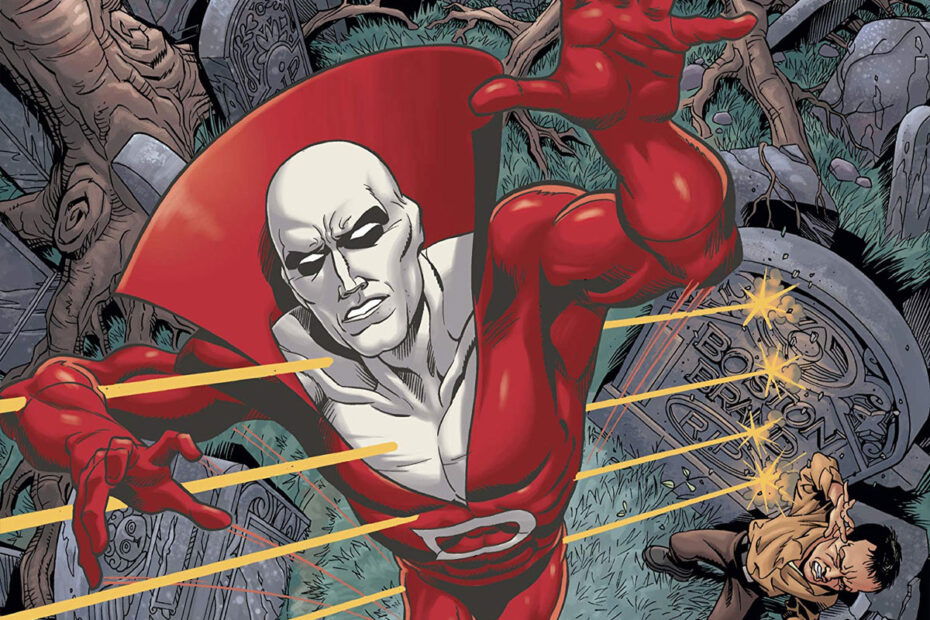
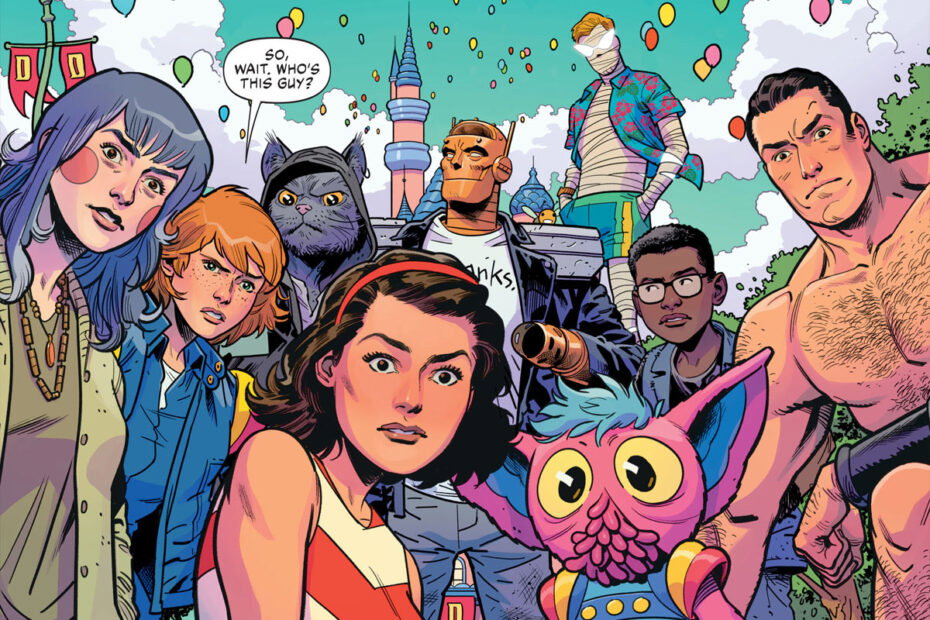
Created by Arnold Drake and Bob Haney, with artist Bruno Premiani, the Doom Patrol first appeared in My Greatest Adventure #80 (1963), at a time when the struggling title needed a radical reinvention. Drake’s concept was to write about “freaks who banded together and the man in the wheelchair guiding them” (see American Comic Books Chronicles: The 1960s). The result was a team unlike any other in DC’s Silver Age, and this guide to reading Doom Patrol explores every iteration of that vision.

Originally dubbed “The World’s Strangest Heroes,” the group centered on victims of catastrophic accidents: actress Rita “Elasti-Woman” Farr, race car driver Cliff “Robotman” Steele, pilot Larry “Negative Man” Trainor, led by the enigmatic Niles “Chief” Caulder. Later additions such as Garfield “Beast Boy” Logan and Steve “Mento” Dayton expanded the roster but preserved its defining tension: powers born from trauma and alienation. From the start, the Doom Patrol stood apart from conventional superhero teams, with stories that foregrounded psychological strain and existential unease.

From their tragic origins to the mind-bending reality-warping of the Grant Morrison era and the modern “Young Animal” revival, this guide breaks down every era. Below, you will find the Doom Patrol reading order in chronological order, organized by creator runs and key graphic novels.

Read More »Doom Patrol Reading Order

DC All In Reading Order, The Complete Guide

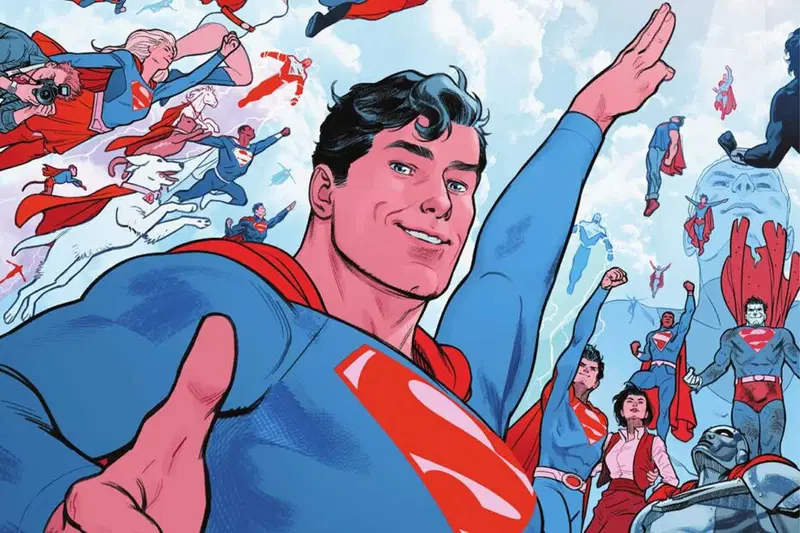
Less than two years after the launch of Dawn of DC, a new status quo was established in the DC Universe following Amanda Waller’s failed coup in Absolute Power, launching DC’s latest publishing initiative, DC All In!

And everyone really went all in. Without a doubt, this is DC’s most successful relaunch since Rebirth nearly ten years ago, the most new-reader welcoming and the most engaging for longtime fans.

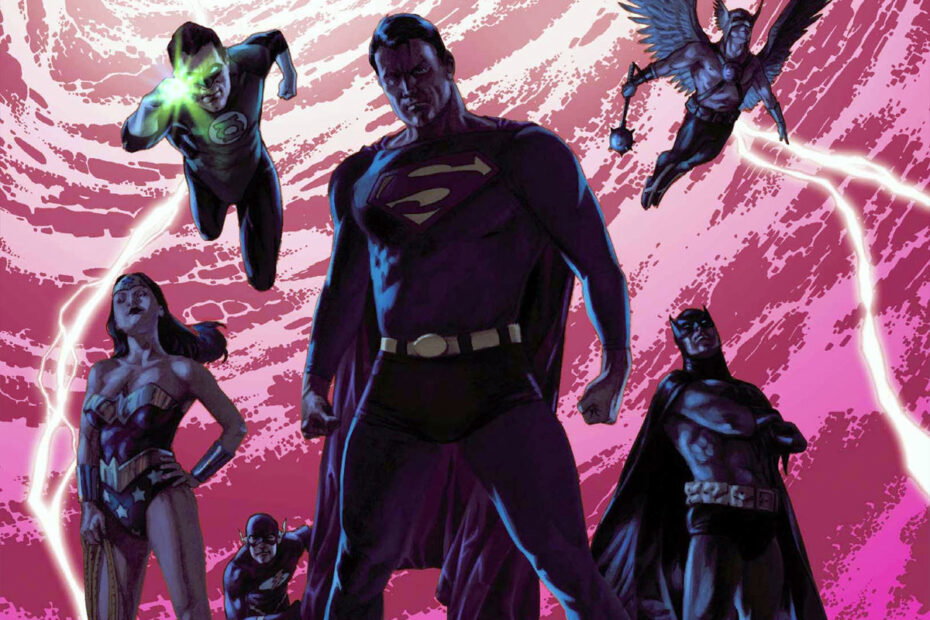
Led by writers Joshua Williamson and Scott Snyder, it began in October 2024 with the DC All In Special (2024) #1, which introduced the new status quo for readers. A new Justice League was formed, featuring the largest roster ever, while the Absolute Universe, a parallel reality shaped by Darkseid that redefines familiar characters and power structures across the DC multiverse, was created.

The first act of DC All In has recently concluded with the end of the first line-wide crossover, DC K.O.. A perfect time to look back and start to really go all in on the DC Universe with our DC All In trade paperback guide.

Read More »DC All In Reading Order, The Complete Guide

Batman: Dark Patterns (Review): A Carefully Crafted Dark Knight Tale

  • by

When it comes to superhero movies, people are no longer interested in origin stories, but comic book readers and writers are still passionate about what made a character become the crime fighter they are known to be. During the post-Crisis era, Batman’s early years as the Caped Crusader were explored in depth. Perhaps to the degree that DC Comics lost interest. A few decades later, the past feels more present than ever, with writers regularly revisiting the lore they discovered as readers and modernizing dated elements. But it goes even further. It’s not just about comic books from the past, it’s about giving characters a place in their own history. That said, this book is perfect for any new reader looking to enjoy a complete Batman tale.

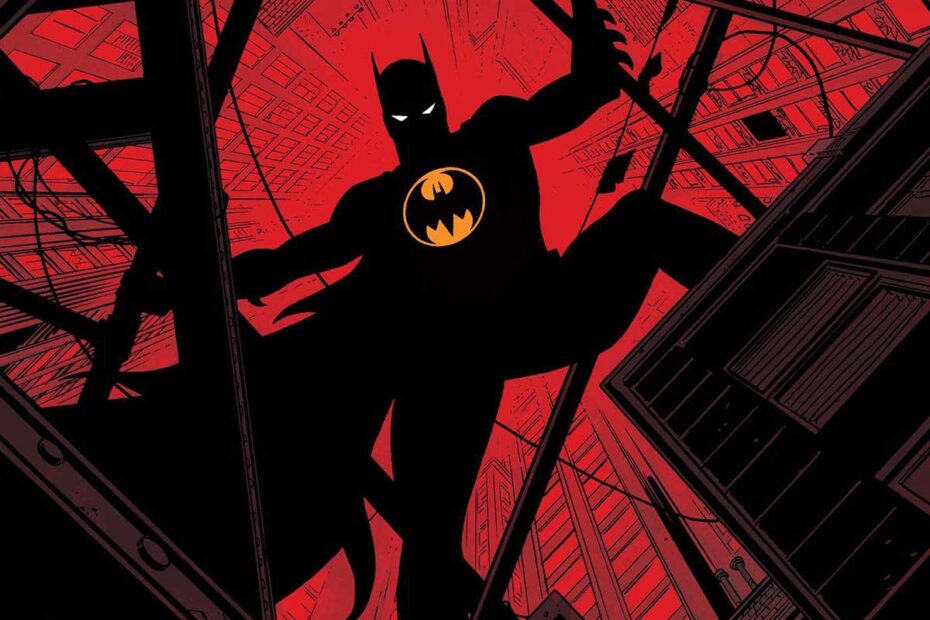
Written by Dan Watters with art by Hayden Sherman, Batman: Dark Patterns is a 12-issue miniseries that explores Gotham City’s past and carves out a place for its greatest detective within it. Set around Batman’s third year, the story is divided into four thematically linked investigations that slowly build upon each other to form a larger tale.

Each case starts as an apparently self-contained crime. Batman follows leads, questions suspects, and moves methodically through the city. He collaborates with Jim Gordon, who introduced him to Dr. Sereika, a forensic pathologist at Gotham University. Sereika is an odd man, but a competent one. His insights are valuable, but his attitude is suspect. Like everybody else, he has secrets. Dark Patterns is about uncovering those secrets, and everyone else’s, especially those rooted in Gotham’s past.

Read More »Batman: Dark Patterns (Review): A Carefully Crafted Dark Knight Tale

Sinestro Reading Order, Your Essential Guide to the Master of Fear

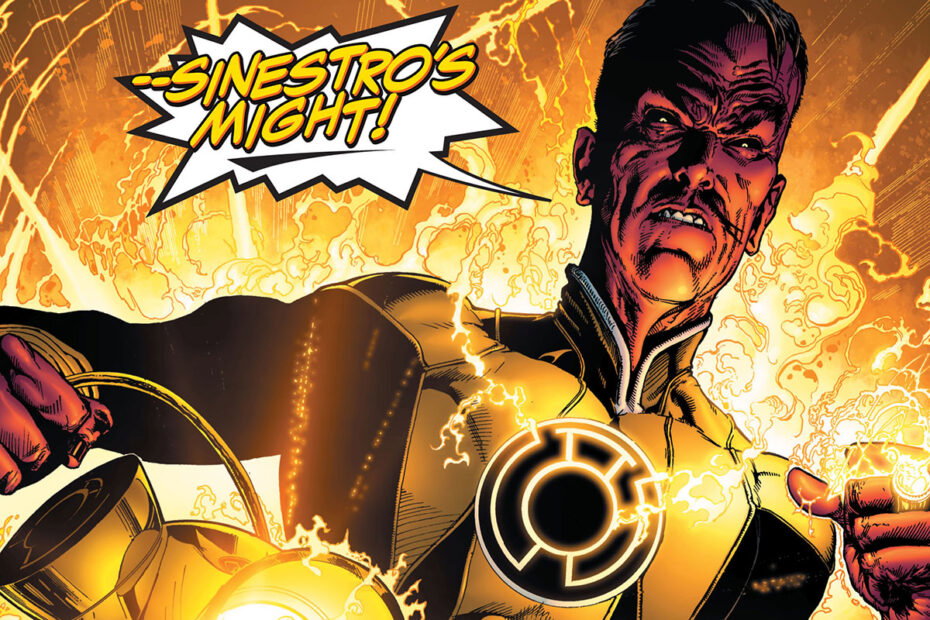
When Sinestro was ranked the “15th-greatest comic book villain of all time” by IGN in 2009, it was certainly a place that the character had earned. However, Sinestro wasn’t always deserving of such a rank! While he was still the main Green Lantern villain, Thaal Sinestro was a classic Silver Age villain who liked to twirl his mustache and not much else.

Things started to change with Emerald Twilight and took a turn for the better in the 2000s when Geoff Johns updated the character and fleshed him out to give him more depth and a deeper and more complex relationship with Green Lantern Hal Jordan.

Since then, Sinestro has classically walked the line between good and evil, has shifted between Corps depending on his motivation and has been made an anti-hero. He even headlined his own comic at some point!

Once you meet Sinestro, chances are you will want to know about him! Below, you’ll find the most essential and classic Sinestro comics, from his debut in the Silver Age to the creation of the Sinestro Corps and beyond!

Read More »Sinestro Reading Order, Your Essential Guide to the Master of Fear

Zatanna Reading Order, the magician of the DC Universe

  • by

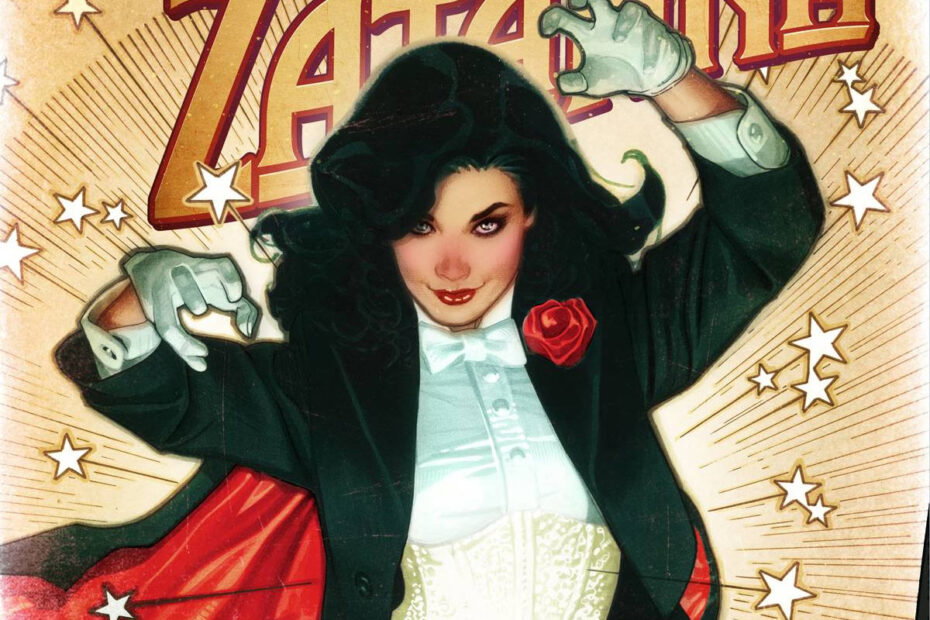
Navigating the DC Universe can be a challenge, especially for fan-favorite characters who often shine in team books rather than solo titles. Zatanna Zatara is the perfect example. Since her debut in Hawkman #4 (1964), created by Gardner Fox and Murphy Anderson, the Mistress of Magic has evolved from a stage illusionist searching for her father into one of the most powerful sorcerers in DC Comics.

Whether you are looking for her early “backward-magic” adventures or her modern leadership in Justice League Dark, tracking her history requires a clear roadmap. This Zatanna reading guide breaks down her essential appearances, solo miniseries, and her complicated history with characters like John Constantine and Batman.

Read More »Zatanna Reading Order, the magician of the DC Universe

Batman Absolute Edition: A Full List

Years before DC Comics launched Batman into the Absolute Universe, it had already found a use for the word “Absolute.” As a matter of fact, it was first used a quarter of a century earlier on a reprint of the first twelve issues of The Authority by Warren Ellis and Bryan Hitch. 

Before that, DC had already tested the oversized deluxe format with The Green Lantern/Green Arrow Collection (which eventually joined the Absolute collection in 2015), but it’s The Authority book that came to define the expectation readers have with the Absolute format: oversized 8 by 12 inches (200 mm × 300 mm) books presented in a slipcased edition with cloth bookmark, high-quality hardcover collections of previously published comics, typically restored, corrected and recolored with additional material such as sketches, scripts, annotations, commentary, or extras that are not in the standard trade paperback.

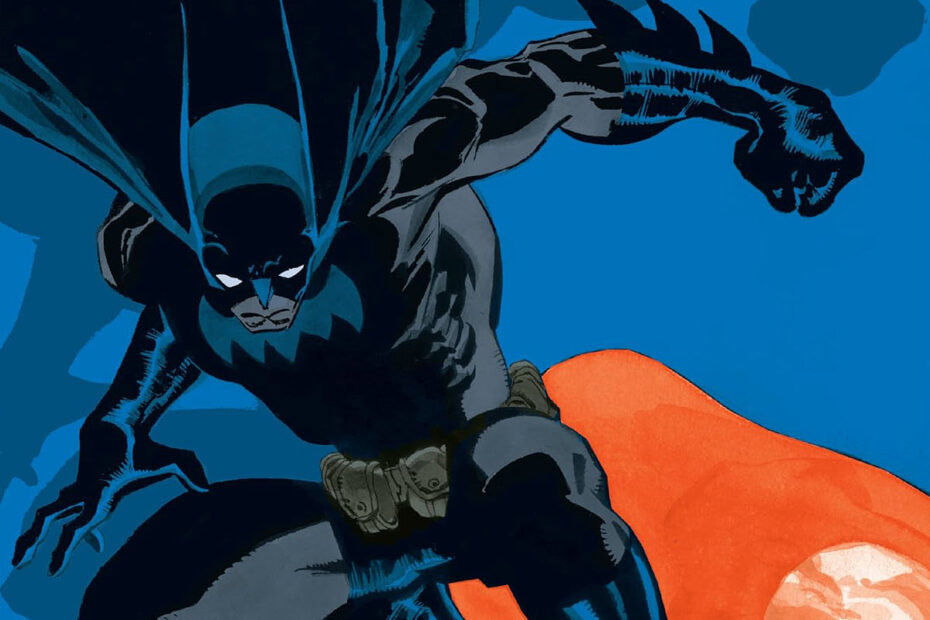
Without surprise, Batman’s stories found their way to the Absolute collection as the Dark Knight’s long history is filled with now-classic tales created by master cartoonists. Batman has already conquered other formats, and you can read his stories thanks to the omnibus collection.

Read More »Batman Absolute Edition: A Full List

Super Sons Reading Order, Damian Wayne and Jon Kent team-up

  • by

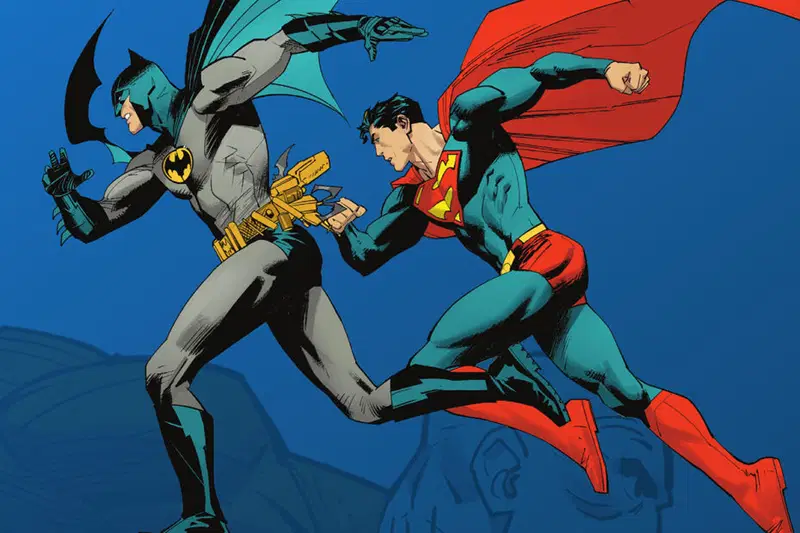
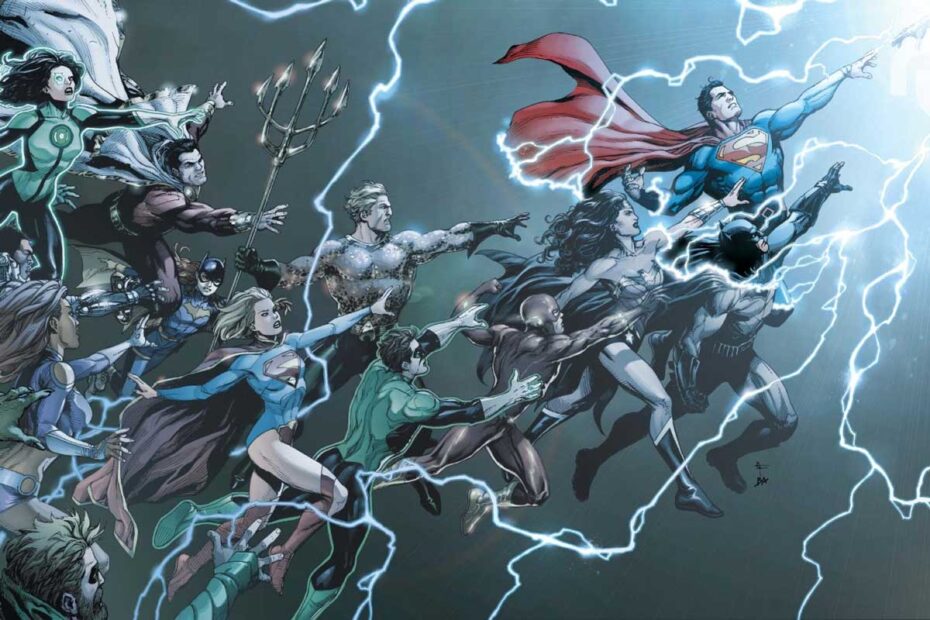
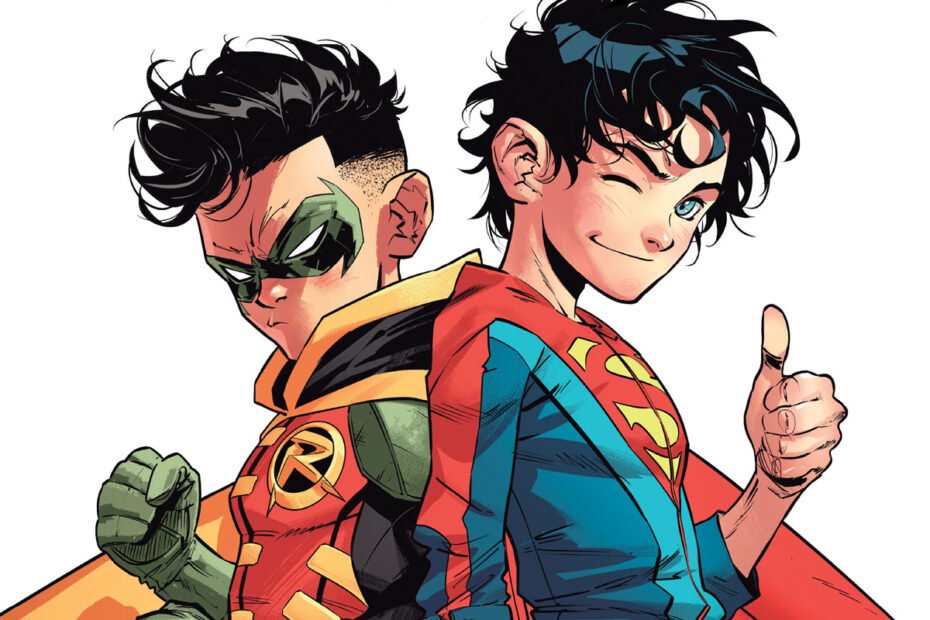
Jon Kent is the son of Superman. Damian Wayne is the son of Batman. Together, they are the Super Sons! This famous team-up was born during the Rebirth era, with the two heroes becoming the “best frenemies forever” who will save the world together “if they don’t kill each other first”. They make their first appearances together in Superman #10-11, from Peter Tomasi and Patrick Gleason.

At the time, Jon Kent was just a cute ten-year-old who grew up on a small-town farm, unaware that his father was a superhero. In contrast, Damian Wayne was a thirteen-year-old boy, the son of Bruce Wayne and Talia al Ghul, who had been trained from birth to become an assassin and take over the world as an Al Ghul. On paper, the two children had almost nothing in common. And yet they came together to form the Super Sons, the odd couple of young heroes, and one of the best friendships in the DC Universe!

From their first adventures together to their more recent team-ups and occasional catching up with each other’s lives, follow our complete guide for the Super Sons comics.

Read More »Super Sons Reading Order, Damian Wayne and Jon Kent team-up

Batman All In Reading Order

  • by

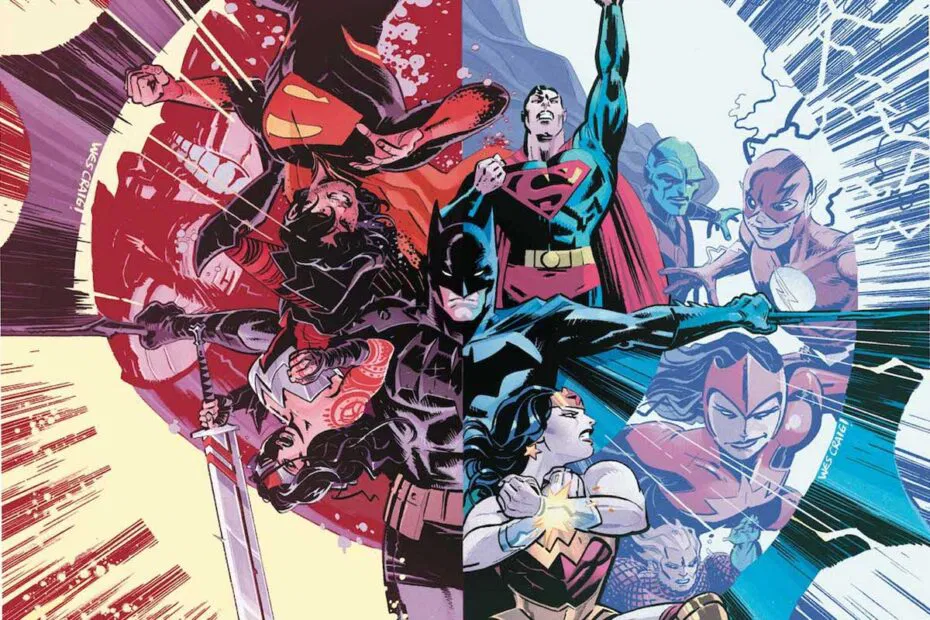
During the Absolute Power event, Amanda Waller tried and ultimately failed to neutralize the superhero community and the wider metahuman population. In fact, this prompted the formation of a new and improved Justice League, featuring the largest roster ever. The heroes are All In the JL, while the Absolute Universe, a parallel reality shaped by Darkseid that redefines familiar characters and power structures across the DC multiverse, is created. 

With the Batman titles, the transition from the Dawn of DC era to All In is not marked by a big break. With delays in the publication of Hush 2, the direct sequel to the classic Hush story, written by Jeph Loeb and Jim Lee, Chip Zdarsky’s run on Batman was slightly extended, and, eventually, Matt Fraction took over Batman (Jorge Jiménez is still the artist on the book). Detective Comics is now written by Tom Taylor with art by Pete Woods. And while Batman is not dominating the DC Universe as he once did, Superman has been pushed forward recently, there are still a lot of Bat-Family adventures to read.

Of course, there is also the popular Absolute Batman by Scott Snyder and Nick Dragotta, which reinvented Bruce Wayne’s life, creating a working-class version of the character who confronts crime with limited resources. This universe has a dedicated reading guide.

Read More »Batman All In Reading Order

The Question Reading Order (Vic Sage, Renee Montoya)

  • by

Like the Peacemaker, the Question was not a DC Comics character as he originated at Charlton Comics, making his first appearance in Blue Beetle #1 (1967), in a backup feature. Created by writer-artist Steve Ditko, the Question is Vic Sage, a television investigative journalist who wages a private war on crime. He conceals his identity behind a featureless mask made of “Pseudoderm,” an artificial skin invented by his former professor, the scientist Aristotle Rodor. When applied, the mask renders Sage a man without a face. He possesses no superhuman abilities, relying instead on physical conditioning, investigative skills, and an absolute, black-and-white moral code.

The Question was closely related to Ditko’s independently created character “Mr. A,” who embodied the creator’s Objectivist moral philosophy. While Mr. A was an uncompromising, overtly ideological figure, the Question was conceived as a more accessible, if still unusually severe, superhero for a mainstream comics audience.

His first run was short. After a handful of appearances in Blue Beetle, he disappeared, only to reappear briefly in the anthology Charlton Bullseye years later, before joining DC Comics in the 1980s. He officially joined the DC Universe during Crisis on Infinite Earths, before joining the new Blue Beetle solo series. The Question gained a clear identity within DC continuity in 1987, when he received an ongoing solo title written by Dennis O’Neil and primarily illustrated by Denys Cowan. This series fundamentally redefined Vic Sage.

As it happened with other crimefighters in the world of comics, there will be more than one person wearing the costume of The Question. Notably, Gotham City cop Renee Montoya will eventually take on the role, and while Vic died and came back, she still fights crime, hidden under the faceless mask today. But let’s explore the long history of The Question, in order, naturally.

Read More »The Question Reading Order (Vic Sage, Renee Montoya)

Best Batman and Catwoman Comics, Your Essential BatCat Reading Order

  • by

With Valentine’s Day upon us, romance is in the air! To celebrate, Comic Book Treasury has chosen to focus on one of the most iconic relationships in comic book history: Batman and Catwoman. Created by Bill Finger and Bob Kane, the Bat and the Cat first met in Batman #1 in spring 1940. Introduced as a mysterious burglar and jewel thief, Catwoman was conceived to appeal to female readers and add sex appeal. She was introduced as a friendly foe, a member of his rogue’s gallery, and a potential love interest.

This was the start of what would become a complex love-hate relationship that has been explored and put through many challenges, including deaths and other perils such as the end of the DC Universe!

Today, the spotlight is on the couple as the stars of our Essential Reading Order. This selection of comics is the perfect way to understand their cat-and-mouse relationship, which is filled with attraction and conflict, flirtation and moral ambiguity.

Read More »Best Batman and Catwoman Comics, Your Essential BatCat Reading Order