Skip to content

Marvel

Namor the Sub-Mariner Reading Order, Imperius Rex!

  • by

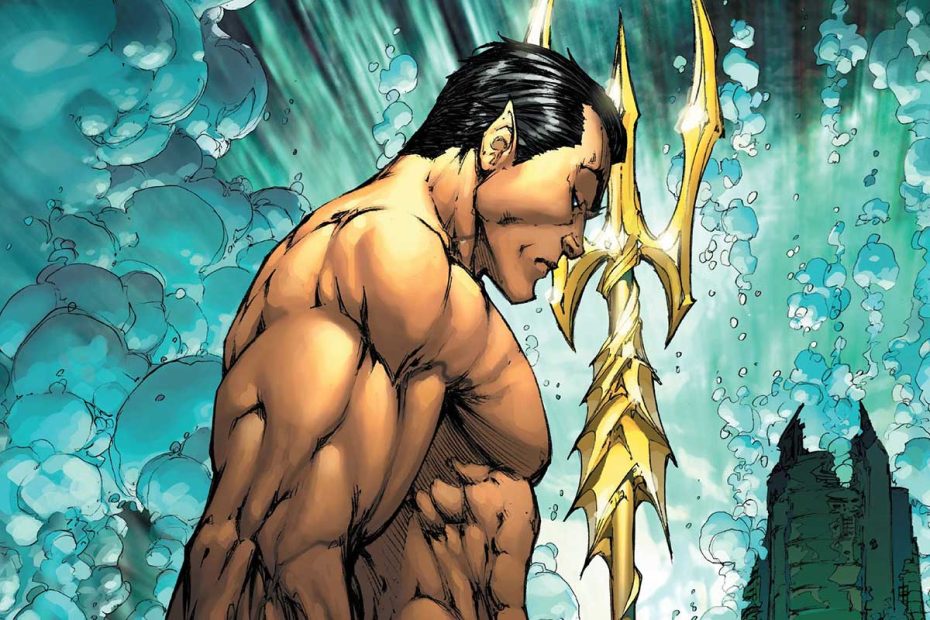
Namor the Sub-Mariner is one of Marvel’s earliest characters and is sometimes considered their very first original character. He was created by writer-artist Bill Everett for the comic Motion Picture Funnies Weekly #1. The title was never released, and Namor’s real first appearance was in Marvel Comics #1 (October 1939). He was one of Timely Comics’ (Marvel’s predecessor) most popular characters at the time, alongside the Human Torch and Captain America.

Although he is not as popular today as he was during the Golden Age of comics, Namor remains a historically significant character with a publishing history spanning over 80 years. He has even found his way into the Marvel Cinematic Universe, where he is played by Tenoch Huerta in Black Panther: Wakanda Forever and the upcoming Avengers: Doomsday.

But who is Namor, the Sub-Mariner? Namor McKenzie is the mutant son of a human sea captain and an Atlantean princess. As the current king of Atlantis, he will do whatever it takes to protect his people. Depending on the circumstances, he can be a villain, a hero, or an antihero to the surface dwellers. He is almost always a hero to the people of Atlantis.

Read More »Namor the Sub-Mariner Reading Order, Imperius Rex!

Adam Warlock Reading Order

  • by

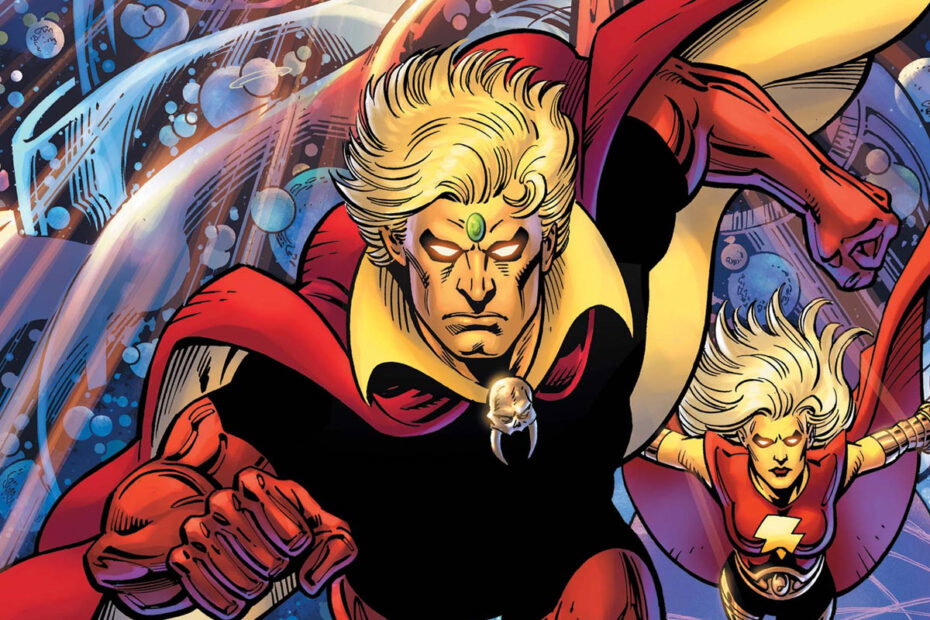
Originally introduced in 1967 by Stan Lee and Jack Kirby as “Him” in Fantastic Four #66–67, he began appearing in a few issues in a minor role. It really was in Marvel Premiere #1 (1972), written by Roy Thomas and illustrated by Gil Kane, that he became Adam Warlock.

Adam Warlock is a synthetic being, engineered to represent the ideal human form. Possessing superhuman strength, durability, and advanced regenerative abilities, he is also uniquely tied to cosmic and mystical forces. Central to his mythology is his conflict with the Magus, a tyrannical future incarnation of himself.

At the beginning, a coalition of scientists known as The Enclave incubated Warlock in an artificial cocoon. Once out, he rebelled against his creators after realizing they were nefarious. When he re-emerged, years later, he was named “Warlock” by the High Evolutionary and was gifted the Soul Gem. He didn’t become a hero on Earth, but on Counter-Earth, a new planet generated from a chunk of Earth and set in orbit on the opposite side of the sun.

A few years later, Jim Starlin revived the character and made him more of a cosmic hero, twice. The first time, it lasted only a few issues, but he brought Adam Warlock back eleven years later, during the 1990s. This is not the last time Adam Warlock disappeared before being brought back for a new cosmic crisis years later. To not get lost while navigating decades of cosmic shifts, alternate timelines, and cocoon-induced hiatuses, here is the complete Adam Warlock reading order.Read More »Adam Warlock Reading Order

New Mutants Reading Order (The X-Men)

  • by

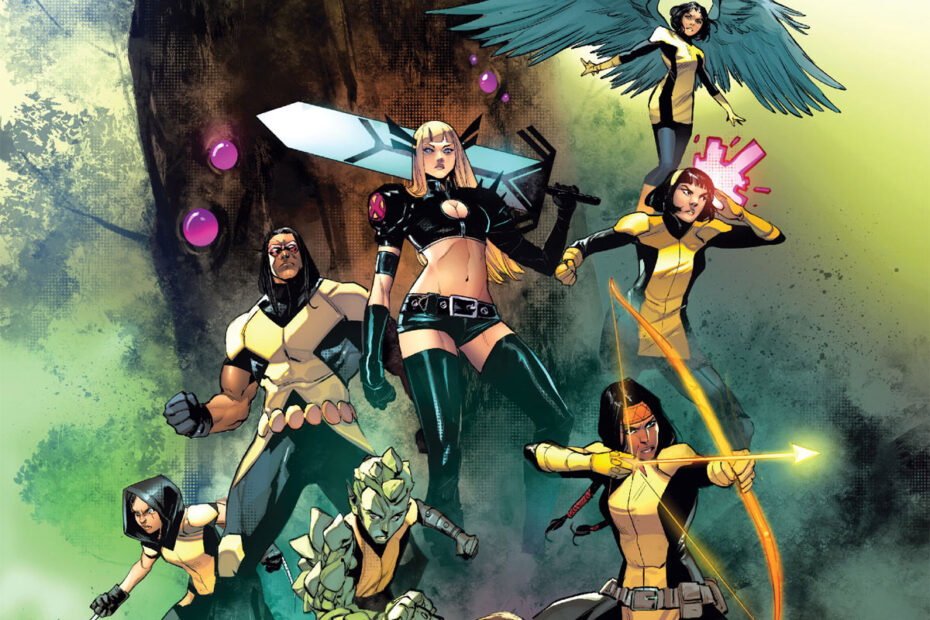
In the 1980s, the X-Men weren’t just a team, they were a phenomenon in the comics world. Under Chris Claremont, the franchise became so massive that Marvel Editor-in-Chief Jim Shooter demanded an expansion. The result was The New Mutants. Though Claremont was initially hesitant, the series quickly evolved from a ‘junior varsity’ squad into a surreal, avant-garde comics, especially once artist Bill Sienkiewicz joined to redefine the book’s visual language.

But who are the New Mutants? They are the teenagers the world feared most: Karma, Wolfsbane, Sunspot, Cannonball, and Moonstar. Thrown together by the X-gene, their journey takes them from early encounters with Spider-Man to the halls of Xavier’s School. From battling Sentinels and the Hellfire Club to the dark transformation of Illyana Rasputin into Magik, this is the definitive map to their early years. For those looking for the ‘big picture,’ you can also find how these issues weave into our complete X-Men Reading Order.

Read More »New Mutants Reading Order (The X-Men)

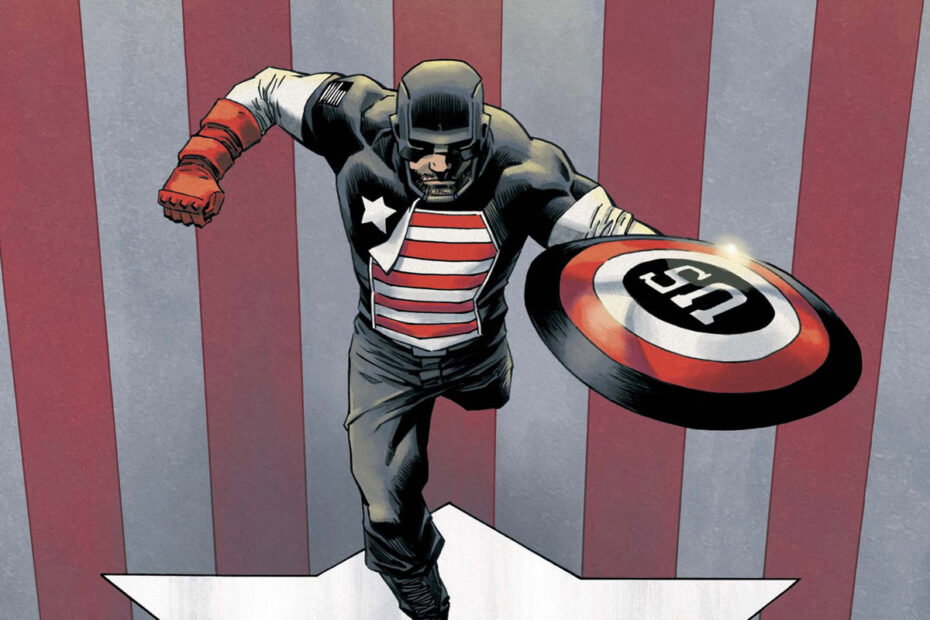
U.S. Agent (John Walker) Reading Order

Thanks to the MCU, U.S. Agent a.k.a. John Walker seems to be more relevant in 2026 than he may have ever been in the comics since his first appearance as the (second) supervillain Super-Patriot in Captain America #323 in 1986, a comic book by Mark Gruenwald and Paul Neary. Still, he had a notable role when Steve Rogers stepped down as Captain America; he took over the role and gradually transitioned into the brutal, shield-wielding anti-hero known as U.S.Agent.

John Walker is far more than just a “Dark Captain America.” Since his debut in 1986, he has served as a complex mirror to American idealism, a soldier who follows orders when Steve Rogers follows his conscience. Whether you discovered him through Wyatt Russell’s performance in the MCU or his long history as a mainstay of the West Coast Avengers, navigating his four-decade history can be as volatile as the character himself.

This guide breaks down every era of Walker’s career, from his corporate-sponsored beginnings and his polarizing stint as the Sentinel of Liberty to his modern redemption arcs.

Read More »U.S. Agent (John Walker) Reading Order

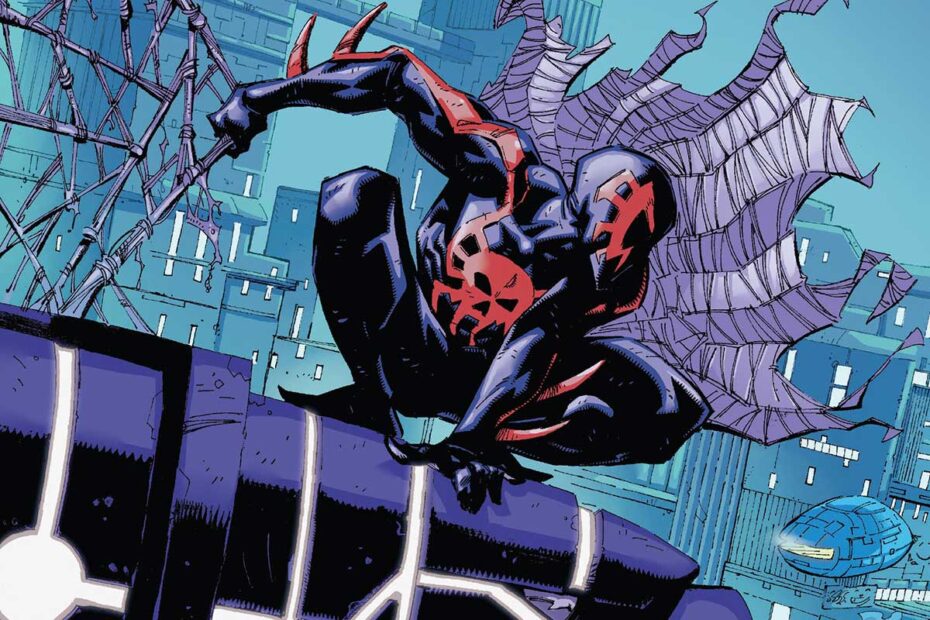
Spider-Man 2099 Reading Order (Miguel O’Hara)

  • by

As you are well aware now, not all Spider-Men are Peter Parker under the mask. And one of the coolest versions is Miguel O’Hara, Spider-Man 2099, who couldn’t be more different from Peter even if he tried!

Created by Peter David and Rick Leonardi for the Marvel 2099 comic book line, Miguel O’Hara made his first appearance in The Amazing Spider-Man #365 in August 1992, as a preview, before headlining his own series, Spider-Man 2099, which launched in November of that year. Readers were introduced to the brilliant Irish-Mexican geneticist Miguel O’Hara, who lives in Nueva York (a renamed New York City) in the year 2099 and works for Alchemax, one of North America’s biggest corporations, which produces everything from everyday products to military weaponry and private space travel.

Miguel was being pressured and manipulated by his boss Tyler Stone for testing a process to imprint genetic codes into human physiology. Miguel had to experiment on himself if he wanted a future, but things didn’t turn out as expected: his DNA was rewritten and became fifty percent spider.

With great power comes great responsibility, and Miguel decided to use his new abilities to take down Tyler Stone and Alchemax. Miguel became Spider-Man 2099, the breakout star of the Marvel 2099 line. He has naturally appeared in numerous media adaptations, including in the animated Across the Spider-Verse movie, voiced by Oscar Isaac – although I think this is a bad version of the character, as his core values are not respected!

Find out everything you need to know about Miguel O’Hara and his complicated timeline in our Complete Spider-Man 2099 reading order!

Read More »Spider-Man 2099 Reading Order (Miguel O’Hara)

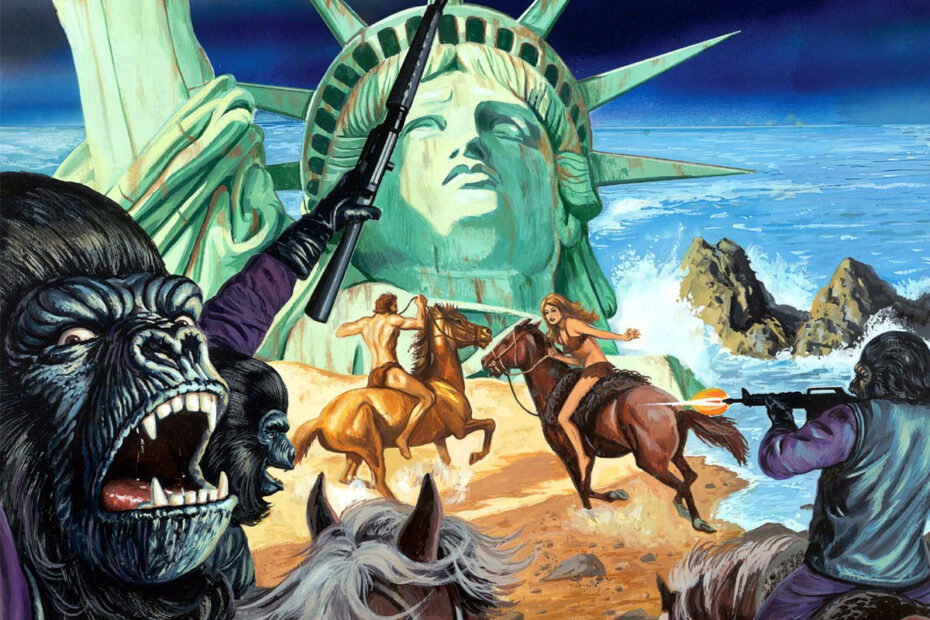
Planet of the Apes Comics Reading Order

The Planet of the Apes franchise began in 1968 with the landmark film adaptation of Pierre Boulle’s novel “La Planète des singes.” It introduced us to a future in which intelligent apes dominate Earth and humanity has fallen into subjugation. Blending dystopian speculation, political allegory, and social satire, the film series and its associated live-action and animated TV shows, books, and comics have explored endless storytelling possibilities.

Because the franchise spans several distinct timelines and publishing eras, it may be difficult to follow everything. We are going to take a look at the Planet of the Apes comics by continuity and era. 

From the early adaptations and original stories published by Marvel Comics in the 1970s to the modern, continuity-driven expansions by BOOM! Studios, the franchise has been reinterpreted across multiple eras. Some series adapt the original Planet of the Apes film cycle, others expand the reboot timeline launched by Rise of the Planet of the Apes, and several create standalone alternate continuities, including crossovers with properties like Green Lantern.

Read More »Planet of the Apes Comics Reading Order

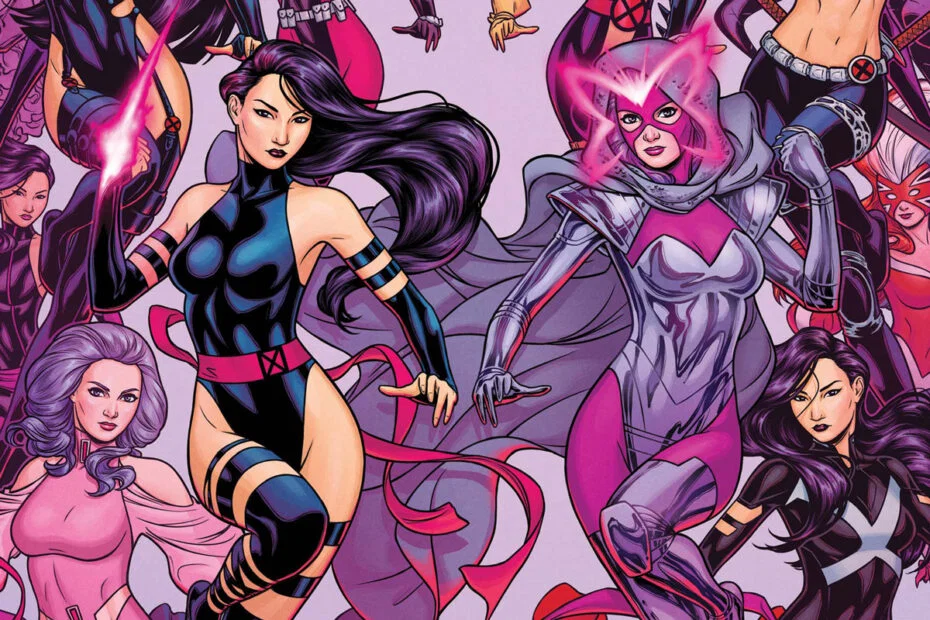
Psylocke Reading Order (Betsy Braddock, Kwannon)

She became a popular X-Men character in the nineties, known for her psychic abilities and her signature telepathic blade. Today, we’re talking about the mutant Psylocke. Or should I say mutants, as the codename has been used by two closely connected women: Betsy Braddock and Kwannon.

Created by Chris Claremont and Herb Trimpe in 1976, Betsy Braddock was first introduced as the sister of Captain Britain and a telepath before eventually joining the X-Men. In the late 1980s, she underwent one of the most infamous transformations in Marvel history, emerging in the body of the Japanese assassin Kwannon.

For decades, Betsy Braddock operated under the name Psylocke — a British woman living in another woman’s body, combining telepathy with formidable fighting skills. She served as an X-Man, a covert operative, and at times an assassin, while forming complicated romantic relationships along the way.

Read More »Psylocke Reading Order (Betsy Braddock, Kwannon)

Ed Brubaker at Marvel Comics: A Reading Guide

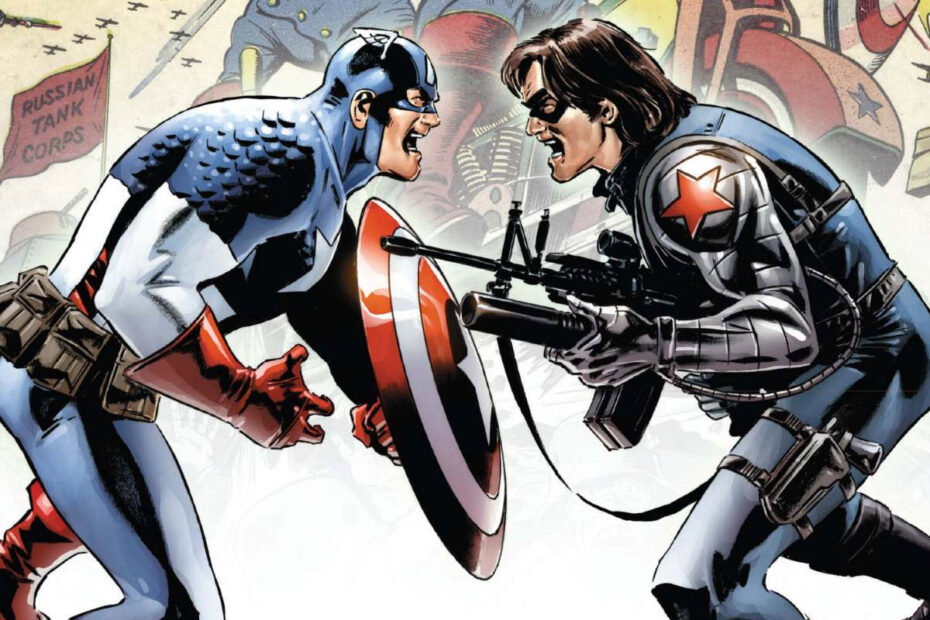
Ed Brubaker Captain America Winter Soldier comic cover

One of the most celebrated writers of crime comics, best known for his creator-owned hits Criminal and Reckless, Ed Brubaker gained mainstream prominence during a legendary decade at the “Big Two.” While he left a permanent mark on DC with titles like Gotham Central and Catwoman, it was his 2004 move to Marvel that changed the industry.

Brubaker began as a cartoonist, writing and drawing the hard-to-find Pajama Chronicles and Purgatory USA, and the semi-autobiographical Lowlife. His first crime comic was for Dark Horse Comics, the Eisner Award-nominated three-part serial “An Accidental Death,” with artist Eric Shanower. Two years later, in 1995, he made his debut at DC Comics with Shanower by working on a Prez story (Vertigo). He eventually signed an exclusive deal with DC in 2000 and went on working on Batman, writing his famous run on Catwoman, some Wildstorm comics, and his influential collaboration with Greg Rucka and Michael Lark, Gotham Central. In 2004, Brubaker (with Lark) made the jump to Marvel. 

In this Ed Brubaker Marvel reading guide, we will revisit his influential eight-year run, from the resurrection of the Winter Soldier to his gritty takes on Daredevil and Iron Fist.

Read More »Ed Brubaker at Marvel Comics: A Reading Guide

The Hulk Family Tree: Every Banner and Walters Relative Explained

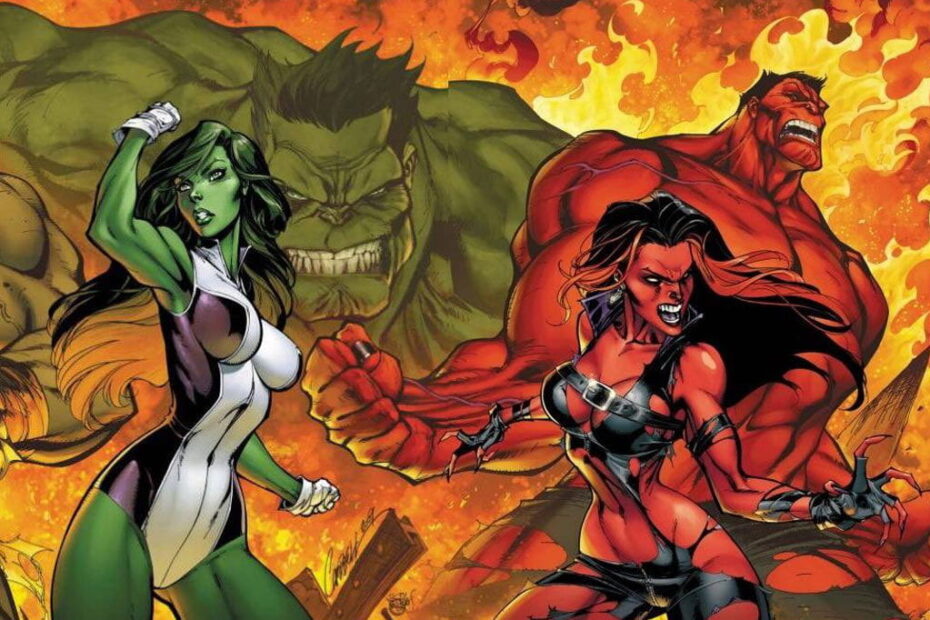
"The Savage She-Hulks" art by J. Scott Campbell

Since his debut in Incredible Hulk #1 (1962), Dr. Robert Bruce Banner hasn’t just been battling the military, he’s been navigating one of the most complex and dysfunctional family trees in the Marvel Universe. While most fans know She-Hulk as his cousin, the Banner bloodline and the “Gamma Family” extend much further, spanning across dimensions, secret resurrections, and even cosmic lineages.

From the trauma inflicted by his father, Brian Banner, to the arrival of his Sakaarian sons, Skaar and Hiro-Kala, the Hulk’s relatives are rarely “normal.” In fact, thanks to modern revelations in the Immortal Hulk era, we now know that even his greatest enemies might share more than just a grudge (they might share his DNA).

Whether you are looking for a breakdown of the Walters family, the truth about the Red Hulks, or how many children Bruce Banner actually has, this 2026 guide explores every branch of the Hulk family tree. Let’s dive into the history of the Banners, the Walters, and the monsters that connect them.

Read More »The Hulk Family Tree: Every Banner and Walters Relative Explained

Deadpool Reading Order: The Ultimate Merc with a Mouth Guide

He is known as the Merc with a Mouth. He has also been called Jack Silvini, Johnny Cruz, Wade T. Wilson, Wildcard, Weapon XI, the Regenerating Degenerate, among others. Yes, we’re talking about Deadpool aka Wade Wilson, Marvel’s Deathstroke!

Now a movie superstar, Deadpool has come a long way since his beginnings. Created by writer Fabian Nicieza and artist/writer Rob Liefeld, his first appearance was in The New Mutants #98 and X-Force. But he wasn’t the Deadpool who would become famous as Marvel’s most iconic anti-hero. At the time, he was just a supervillain. Under Joe Kelly’s creative vision, things would change for Deadpool, pushing him into new territories and making him break the fourth wall and have conversations with his two internal monologues.

From there, Deadpool went on to have some wild, crazy and fun adventures, as well as some quite serious and intense ones. Nothing was off limits for Deadpool, Cable’s buddy and Spider-Man’s best friend!

Walking the line between criminal and hero, good friend and insufferable prick, Deadpool has made a name for himself in the pages of Marvel Comics and on the big screen, with solo adventures, team-ups, spin-offs, limited series and plenty of out-of-continuity escapades. Explore everything with our Deadpool comics guide!

Read More »Deadpool Reading Order: The Ultimate Merc with a Mouth Guide